Why Your Toilet Keeps Running
Most running toilets in Lutwyche trace back to one of three parts inside the cistern, and a toilet keeps running until the worn part is swapped out. A dye test you can run tonight narrows down the culprit, and a licensed plumber handles everything past the three rubbers householders may legally change. This guide from your Lutwyche plumbing team covers the causes, the test and the rules.
If we're late, $100 comes off your bill

- Licensed and InsuredEvery job done by a licensed plumber. QBCC No: 15024607
- Fixed Quote FirstFlat-rate pricing, agreed before any work starts
- Lifetime Labour WarrantyBacked by our Fix-It-or-It's-Free guarantee (T&Cs apply)
- $0 Call-Out FeesNo extra charge for nights, weekends or public holidays
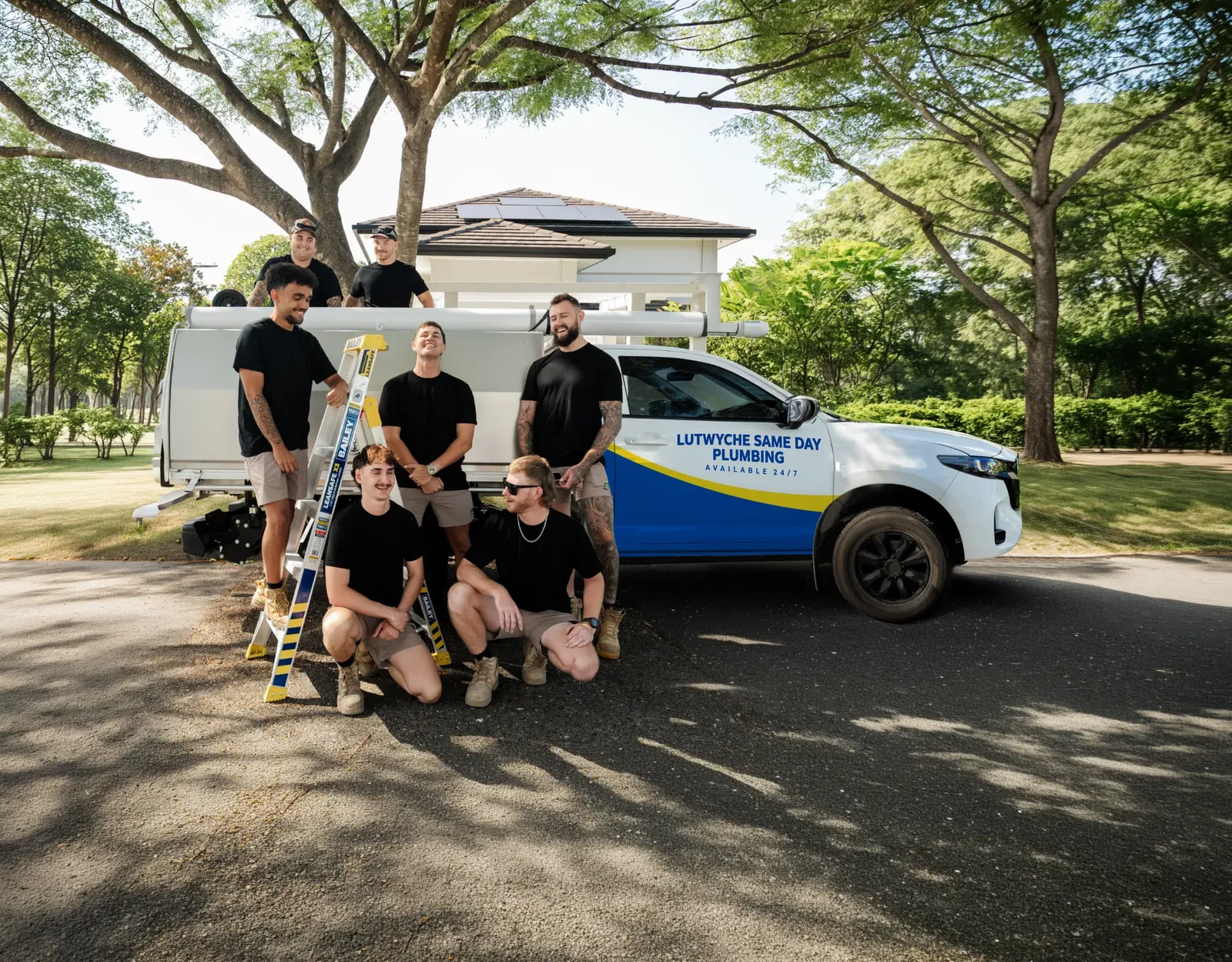
Renting outnumbers owning in this suburb, so a cistern that refills itself overnight lands on someone's water bill until the fault is fixed.
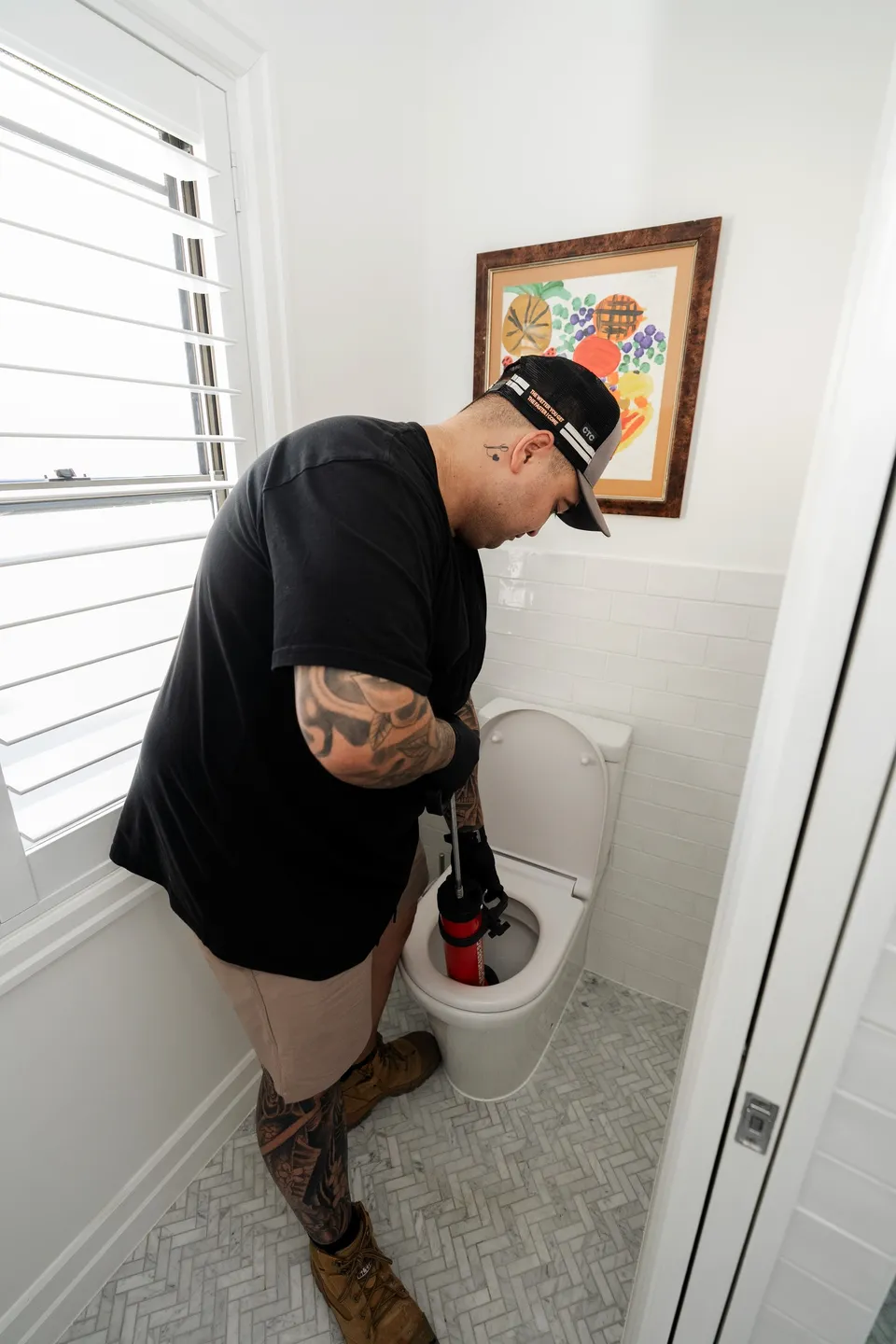
Inlet Valve, Flush Valve Seal and Overflow Explained
A running toilet has one of three faults: an inlet valve that never closes, a flush valve seal leaking into the bowl, or a level set past the overflow.
The inlet valve tops the cistern up after a flush and should stop once the float lifts to its mark. A hiss or trickle continuing after filling ends points at this valve.
The outlet valve, or flush valve, holds the cistern's water between flushes. When its seal wears, water seeps past it into the pan without a flush, and the cistern refills itself every few minutes to make up the loss.
A cottage on Swinburne Street and a unit on a shared stack fail on that seal in exactly the same way.
The overflow works as a spillway, carrying surplus water out of the cistern instead of over the floor. When the inlet valve refuses to shut or the float rides too high, the cistern keeps filling past its mark and the overflow takes the surplus. Sometimes the only sign outside is a drip from the overflow pipe.
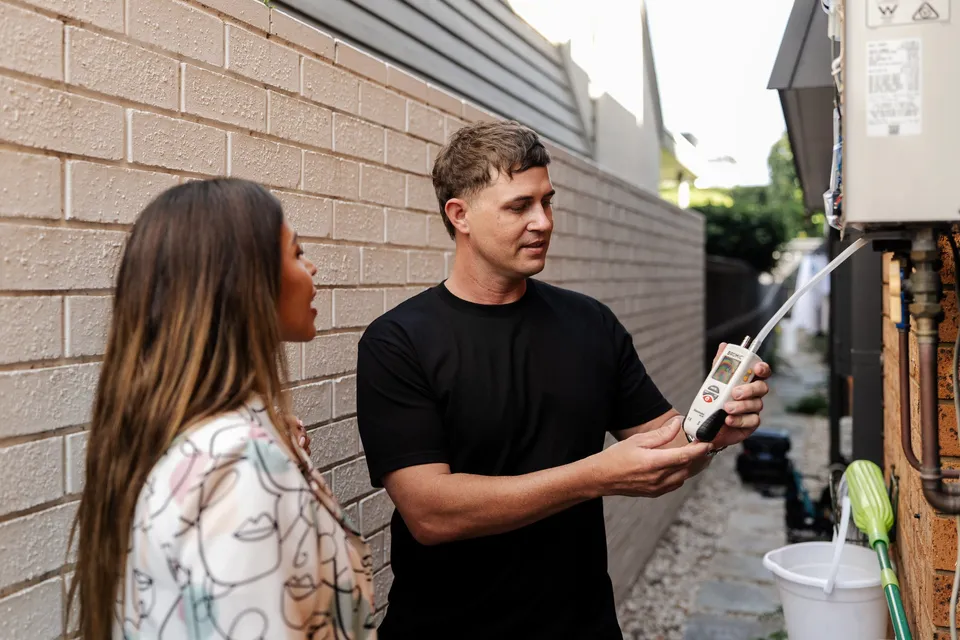
The Dye Test for a Leaking Cistern
Run the check this way: squeeze several drops of food colouring into your cistern, leave the toilet unflushed, then look for colour in the bowl.
Colour reaching the bowl with no flush means the cistern is draining into the pan, and the flush valve seal is the suspect. A clean bowl tells you that valve is holding, so turn next to the inlet valve and the water level.
Two finishing points:
- Flush once the check is done: food colouring leaves no stain on ceramic.
- No colouring at home? Rest a dry sheet of toilet paper where the pan curves up above the water; it stays dry unless a trickle is running down the back.

Slow, Partial or No Refill After a Flush
A cistern that never refills usually has a gummed-up or worn inlet valve, a float set low, or a stop tap only partly open.
The signs separate the three causes:
- No water at all: confirm the stop tap feeding the cistern is fully open.
- Slow fill with the tap open: the inlet valve is worn or partly blocked.
- Water runs but the level never rises: the seal on the flush valve may be releasing water as fast as it enters, which masquerades as an inlet fault.
Blocks built in the 2000s sit beside pre-1940 cottages here, so the same visit can meet a cistern from any of four decades.
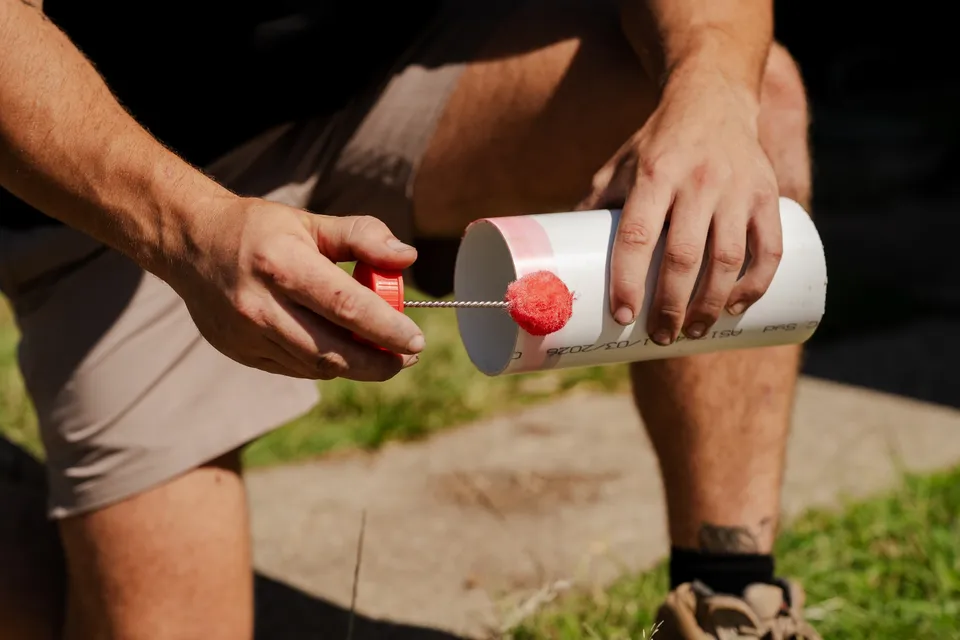
The QBCC List of Unregulated Cistern Work
The QBCC treats three cistern parts as unregulated work: the drop valve washer; the float valve washer; the suction cup rubber. Anyone with the knowledge and skill for the task may swap them, with no licence, approval or report, though the codes still set a floor the work cannot fall below.
Every other toilet repair counts as minor work in Queensland, which means a QBCC licensee does it, without a permit or a Form 4.
The tenancy rules matter here, with renting more common than owning:
- The owner or manager keeps the place in good repair, and the tenant reports a fault as soon as they notice it.
- Queensland's emergency list for rentals names a blocked or a broken toilet, not a running one, so this repair counts as routine and happens within a reasonable time.
Does the Water Utility Cover a Running Toilet
No, the concealed leak adjustment from Urban Utilities excludes water a leaking cistern wastes, along with dripping taps, hot water systems and other appliances.
Responsibility for leaks on the property, and for the water they waste, rests with the owner. A running cistern is therefore a fix-now job, not a bill to dispute later.
When to Call a Plumber
Colour in the bowl, or a hiss that nothing at the cistern stops, is the signal to ring us. Work beyond the QBCC's three rubbers belongs with a licensee, and a wrong guess usually means two trips to the hardware store.
If you are wondering how to fix a running toilet, our toilet repairs in Lutwyche page covers the wider job list, from base leaks to buttons that stop working.
Running Toilet Questions From Our Customers
Call (07) 3523 7172Why does my toilet keep running after I flush?
One of three cistern faults is to blame: an inlet valve that will not stop, a worn flush seal, or water escaping through the overflow. A hiss after filling points at the valve; a cistern quietly refilling points at the seal.
Why is my toilet cistern not filling up in Lutwyche?
An empty cistern usually means a jammed or worn inlet valve, a float riding below its mark, or a partly closed stop tap. Water running with no rise in level points to the flush seal releasing it at the same rate it arrives.
Will food colouring stain my toilet bowl?
No, food colouring leaves no mark on ceramic, and one flush clears it, so the test is safe on any pan in your Lutwyche bathroom.
Can I legally fix a running toilet myself?
Yes, for the QBCC's three unregulated cistern parts only, and the work must still meet the standards. All remaining toilet repairs are minor work for a QBCC licensee.

Talk to Us About the CisternWe'll call you back.
Ring (07) 3523 7172 and tell us what's wrong. You get $0 call-out fees, a fixed quote before any work starts and same-day where we can, 7 days a week.
To claim your $0 call-out fee, call (07) 3523 7172 today.