Tap Repairs in Lutwyche
Nearly every tap repairs call in Lutwyche involves one of two sealing parts: rubber in an older style tap, or ceramic discs inside a mixer. A licensed plumber handles both, from a weeping spindle in a Fuller Street cottage to a stiff lever in a unit kitchen. Call (07) 3523 7172 and we'll sort it, same-day where we can.
If we're late, $100 comes off your bill

- Licensed and InsuredEvery job done by a licensed plumber. QBCC No: 15024607
- Fixed Quote FirstFlat-rate pricing, agreed before any work starts
- Lifetime Labour WarrantyBacked by our Fix-It-or-It's-Free guarantee (T&Cs apply)
- $0 Call-Out FeesNo extra charge for nights, weekends or public holidays
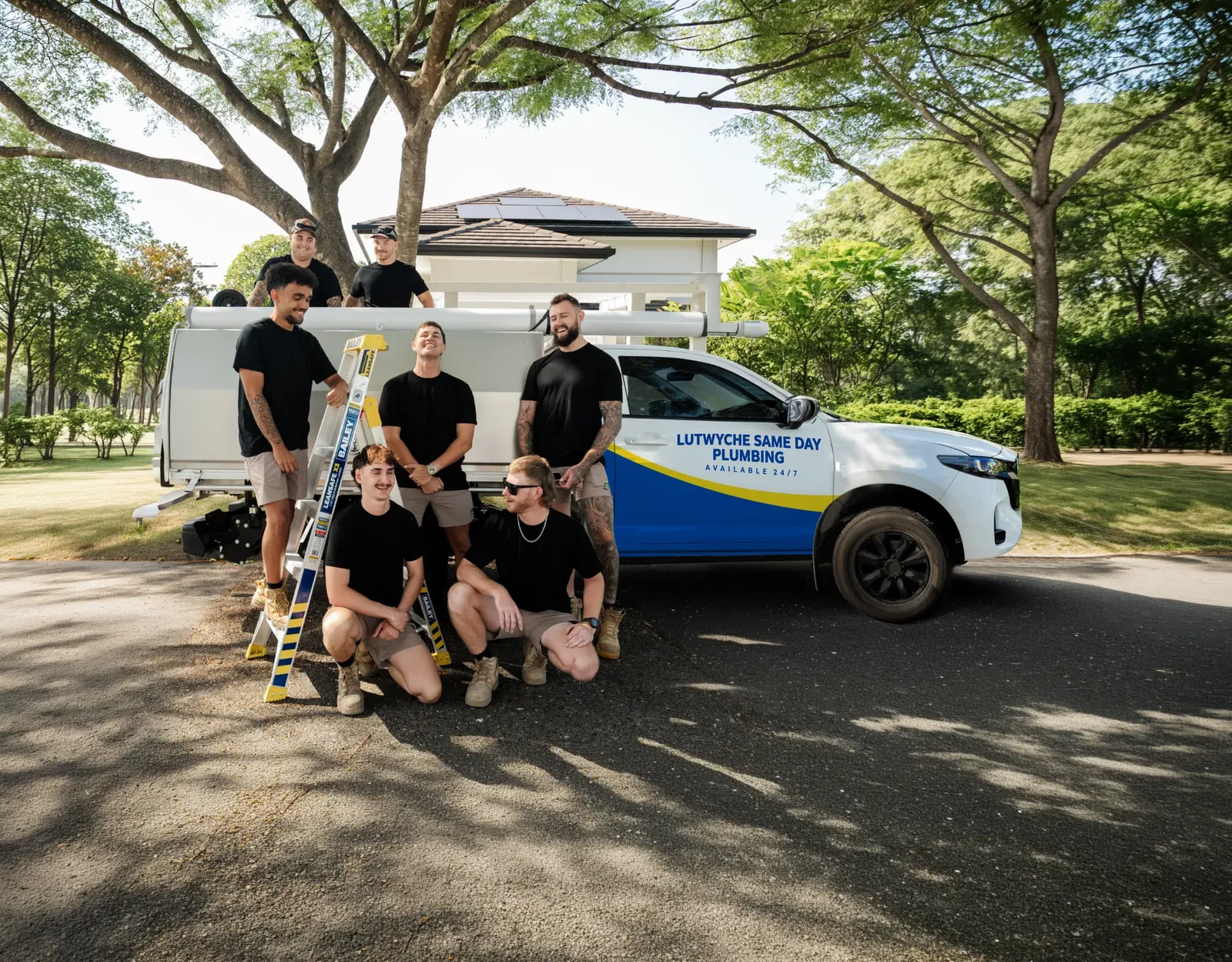
Our Lutwyche team carries washers, O-rings and the common cartridges on the van, so most jobs finish in a single visit. Every tap and toilet plumbing job starts the same way: water where it should not be.
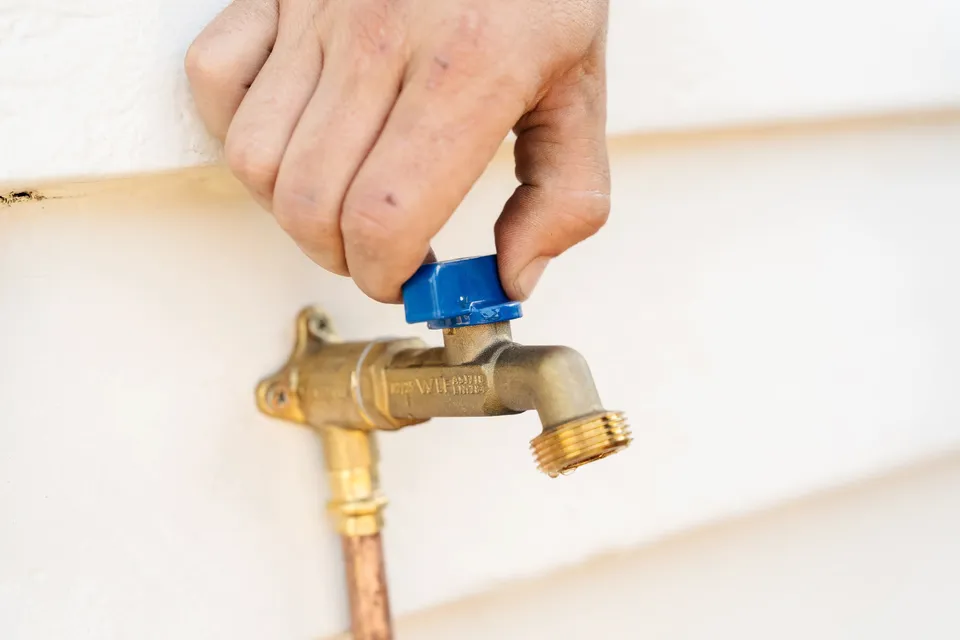
Which Part Fails in Your Tap
The old-style tap closes on a rubber washer pressed against a brass seat, while a mixer shuts off inside a cartridge holding two ceramic discs. Which of the two you have decides what has worn out and what the fix involves.
Older taps
have separate hot and cold handles that turn several times. A rubber washer rides the spindle and seals onto the seat.
The jumper valve
is the small carrier that holds the rubber and drops it onto the seat. Perished rubber is why the spout drips.
Mixers
blend hot and cold through one lever, usually a quarter turn. The cartridge inside does all the sealing.
A worn cartridge
swaps out as a single unit. Its replacement has to match that model exactly, since fittings vary across brands.
A handle that grinds or sticks usually means grit or wear in the cartridge or spindle, even while the tap still holds water.
Where the Leak Shows and What It Means
A drip from the spout with the tap fully closed tells you the internal seal has given up. Other wet spots narrow the fault further before anyone pulls the tap apart.
Water around the handle while the tap runs
points to the O-ring or the spindle seal above the tap body.
Wetness at the base or under the bench
points to tired O-rings, a union working loose, or a body cracked through corrosion.
A spout drip that survives new parts
points to a corroded seat, which needs dressing or a whole new fitting.
Shut-off comes first. Each tap fitted with an isolating valve is easy: close the isolator, then open the tap so the pressure drops. Where no isolator exists, the stop tap at the water meter closes clockwise; check first that the hot water system will not run dry while the mains are off.
A slow drip also lands on your Urban Utilities bill. Dri fittings never count for a concealed leak adjustment, because the utility's policy excludes water lost through appliances and fixtures, so an early fix pays for itself on the meter.

What Affects the Cost of a Tap Repair
Four things drive what a tap repair costs: the type of tap, the part it needs, the condition of the seat and body, and how easily the supply shuts off. You see the full price in a fixed quote once we've looked at the tap in person.
The suburb's building stock shapes that last factor more than most. Unit blocks here went up across several decades, so several generations of mixers share the same risers, and one failed isolator can shut a whole stack before we can open a single tap. A cottage on Damon Road with its own meter is the opposite: one stop tap and the job is open.
Type of tap
a washer swap is a shorter job than a mixer cartridge ordered to suit a specific model.
Seat and body condition
corrosion on the seat adds dressing; a cracked body ends in replacement rather than repair.
Access to isolation valves
no isolator at the fixture means the meter, and in shared blocks that can mean arranging a riser shutdown.
How many taps
several worn washers in one visit work out better per tap than separate call-outs.
A body cracked through, a badly damaged seat, or a leak that persists once new parts are in all point to replacement rather than repair. That is licensed work too, and we'll say so plainly when we see it.
Tap Washers, Cartridges and the Licence Line
Queensland rules let a handy householder swap the jumper valve and washer inside a tap: the QBCC classes that single task as unregulated work, and every other tap repair belongs to a licensed plumber. Installing a replacement tap is licensed work as well; the QBCC guide uses that very job to show where an owner's list stops.
Other repairs count as minor work, done by a QBCC licensee, with no permit and no Form 4. Either way the finished job has to meet the plumbing standards, which is why a DIY washer swap gone wrong often becomes our second visit.
Renters have a simpler path. Under the tenancy Act a dripping tap is routine rather than emergency: report the fault to the owner or manager, who then arranges the fix promptly.
If nothing happens, the Residential Tenancies Authority's Form 11 gives the owner seven days to act. A cistern that keeps filling has its own faults, and our toilet repairs page steps through them. A whole new suite runs through our toilet installation page if the pan and cistern are due for replacement as well.
How A Tap Repair Visit Runs
- 1

Tell us what's happening
Call (07) 3523 7172 or send the form with a few details about the problem in Lutwyche. A clear description helps us bring the right parts.
- 2

We identify the tap and the fault
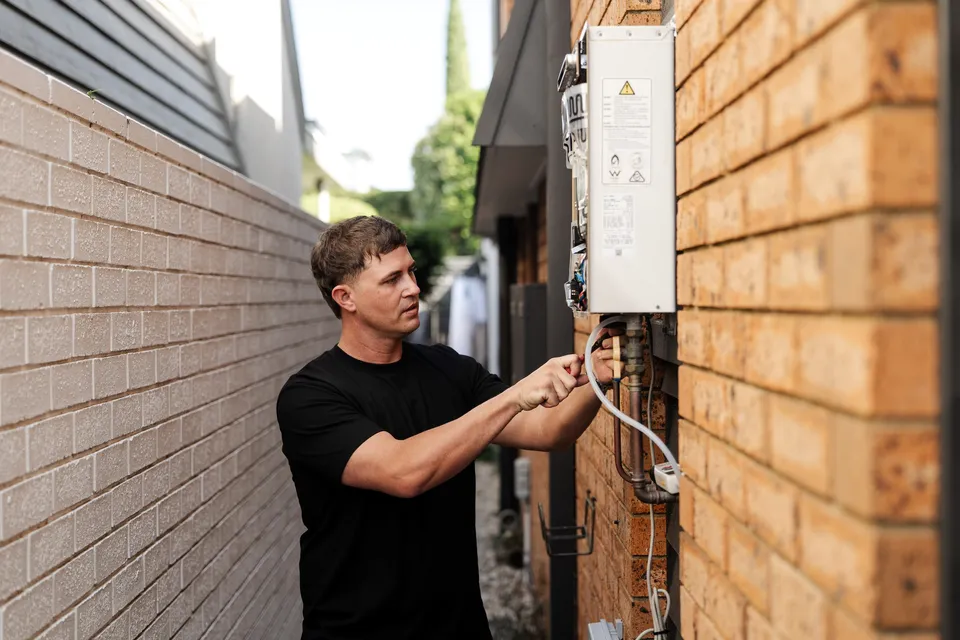
We close the isolator or the meter, strip the tap, and confirm whether the rubber, the seat, an O-ring or the cartridge is at fault. Mixer parts get matched to that model before anything is fitted.
- 3
Approve a fixed price
You get a fixed quote before any work starts, with flat-rate pricing and no hidden fees. Nothing goes ahead until you say yes.
- 4

Pay when it's finished
Pay by card or EFTPOS on site once the job's done, or ask about Fix now, pay later.
Plumbing job in Lutwyche?
$0 call-out fees, available 24/7, and same-day where we can.
Tap and Mixer Questions Our Customers Ask
Call (07) 3523 7172How do I stop my tap from dripping?
The fix is replacing the part that seals: the rubber inside an older tap, or the cartridge inside a mixer. Queensland rules let you swap only the washer and its carrier yourself; the rest needs a licensed plumber. Ring us and we'll bring the right parts.
Why is my tap still dripping when I turn it off?
Because the seal has given up, not the handle. On an older tap the culprit is the rubber or a corroded seat; on a mixer it is the cartridge. A rough seat will chew a fresh washer, so both get checked together.
Why does my Lutwyche mixer tap feel stiff to turn?
Grit or wear inside the cartridge or spindle is the usual cause. A worn cartridge comes out as one unit and a matching replacement goes in, because fittings differ between makes. We identify the model before touching anything.
Can I change a tap washer myself in Lutwyche?
Yes, the QBCC treats the washer and its jumper valve as unregulated work, so a capable owner can do it. The finished job still has to meet the standards. Everything beyond that, including fitting a brand-new tap, is a job for a licensee.
Is replacing a ceramic cartridge a licensed job in Queensland?
Yes, the QBCC does not name cartridges on its unregulated list, so the swap is regulated minor work carried out under licence, with no approvals needed. We quote the repair price up front, and you approve it before we start.
Ring Us About the Dripping TapWe'll call you back.
Ring (07) 3523 7172 and tell us what's wrong. You get $0 call-out fees, a fixed quote before any work starts and same-day where we can, 7 days a week.
To claim your $0 call-out fee, call (07) 3523 7172 today.